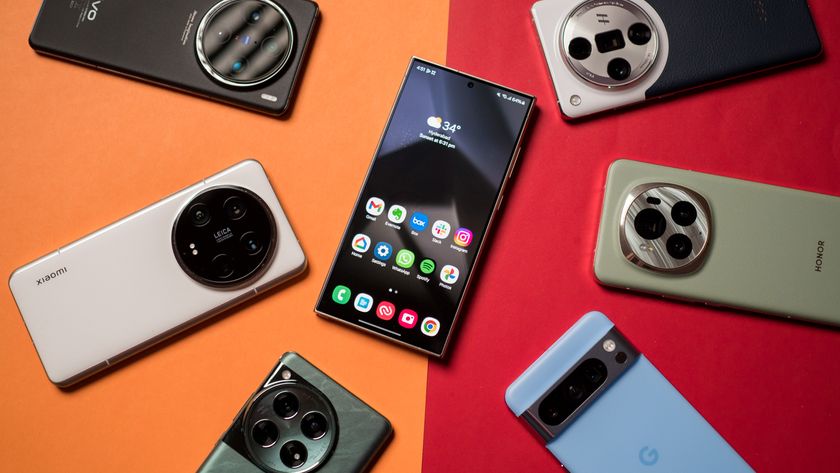
Choosing a new smartphone is no longer just about picking the most expensive model. With hundreds of devices available, finding the right phone depends on many factors, including performance, battery life, display quality, camera capabilities, software support, and overall value.
This smartphone buying guide will help you understand the key elements to consider before making your decision. At TechGuideX, our goal is to provide clear information and practical advice so you can choose the smartphone that truly matches your needs.
Performance
2- Battery life
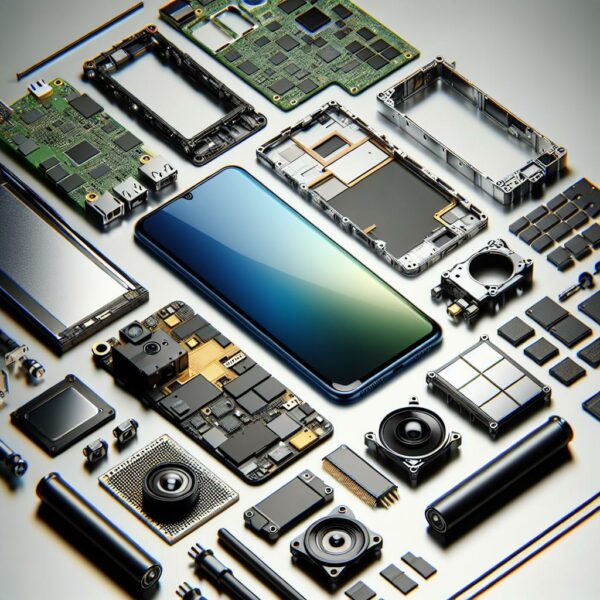
The processor (CPU) and graphics processor (GPU) are some of the most important components that determine how fast and responsive your smartphone feels. A powerful chipset allows smoother multitasking, faster app loading, better gaming performance, and improved handling of demanding applications.
However, performance is not only about having the highest numbers. The efficiency of the processor, thermal management, and software optimization also play an important role in maintaining good performance over time.
Battery life is one of the most important factors to consider when choosing a smartphone. It depends on several elements, including battery capacity, processor efficiency, software optimization, and your personal usage habits.
A smartphone with a larger battery does not always guarantee better battery life, as an efficient processor and well-optimized software can significantly improve energy consumption. A good smartphone should generally last a full day for most users, while some models designed for endurance can provide even longer usage.
3- Screen
The display is one of the main elements you interact with every day on a smartphone. A high-quality screen can improve your experience when watching videos, playing games, browsing the web, or using applications.
When choosing a smartphone display, several factors should be considered:
Resolution: A higher resolution provides sharper images and clearer details, especially on larger screens.
OLED/AMOLED technology: These display technologies offer deeper blacks, better contrast, and more vibrant colours compared to traditional LCD screens.
Refresh rate: A higher refresh rate (such as 90Hz or 120Hz) makes scrolling and animations feel smoother and improves responsiveness.
Brightness: A brighter display makes the screen easier to see outdoors, especially under direct sunlight.
4- Camera Quality:
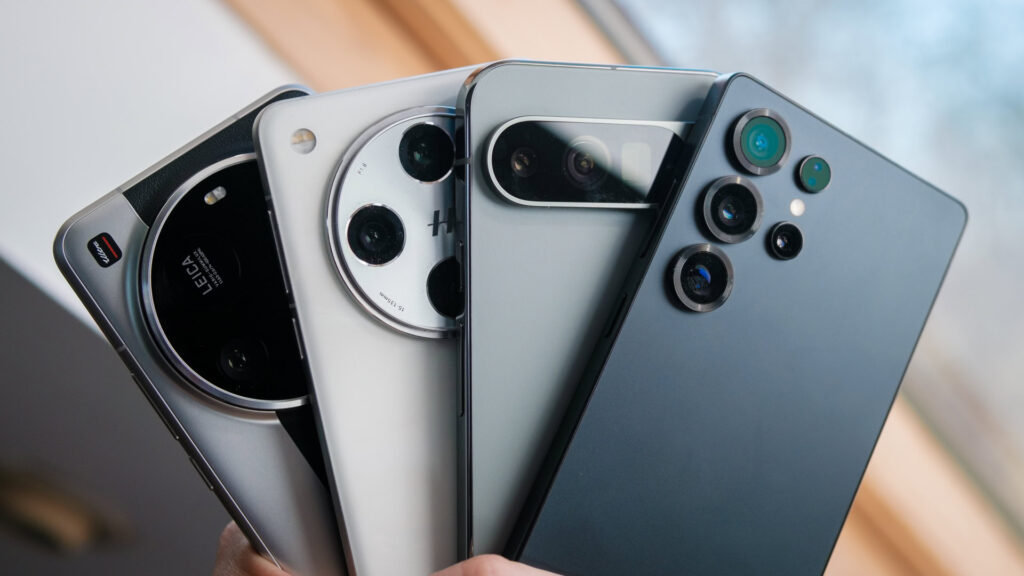
A good smartphone camera is not only defined by the number of megapixels. While a higher megapixel count can help capture more details, other factors such as sensor quality, image processing, lens capabilities, and stabilization are equally important.
Modern smartphones use advanced software to improve photos by optimizing colours, reducing noise, and enhancing low-light performance. A good camera should provide reliable results in different situations, including daylight photography, night shots, portraits, and videos.
When choosing a smartphone, it is important to look beyond the specifications and consider the overall camera experience.
5- Cooling
Cooling systems play an important role in maintaining smartphone performance, especially during gaming, video editing, or other demanding tasks. When a smartphone gets too hot, the processor may reduce its speed to control the temperature, which can lead to lower performance.
Many modern smartphones use technologies such as vapor chambers, graphite layers, and improved internal designs to manage heat more effectively. A good cooling system helps maintain stable performance, improves comfort during use, and can also contribute to better long-term device reliability.
6- Price and Value
The most expensive smartphone is not always the best choice. A higher price does not necessarily mean that a device will perfectly match your needs. The best smartphone is the one that offers the right balance between features, performance, quality, and budget.
Before buying a phone, it is important to consider how you plan to use it and which features matter most to you. Some users may need a powerful processor for gaming, while others may prioritize battery life, camera quality, or a reliable everyday experience.
By comparing different models and understanding your own needs, you can find a smartphone that provides the best value for your money.
Conclusion :
Choosing the right smartphone is about finding the best balance between your needs, expectations, and budget. A powerful processor may be essential for gamers and demanding users, while others may prioritize battery life, camera quality, or a high-quality display for everyday use.
By understanding the key elements that define a smartphone, you can avoid making a decision based only on marketing or price and instead choose a device that truly matches your requirements. At TechGuideX, our goal is to help you explore the different options available and make a more informed choice when selecting your next smartphone.